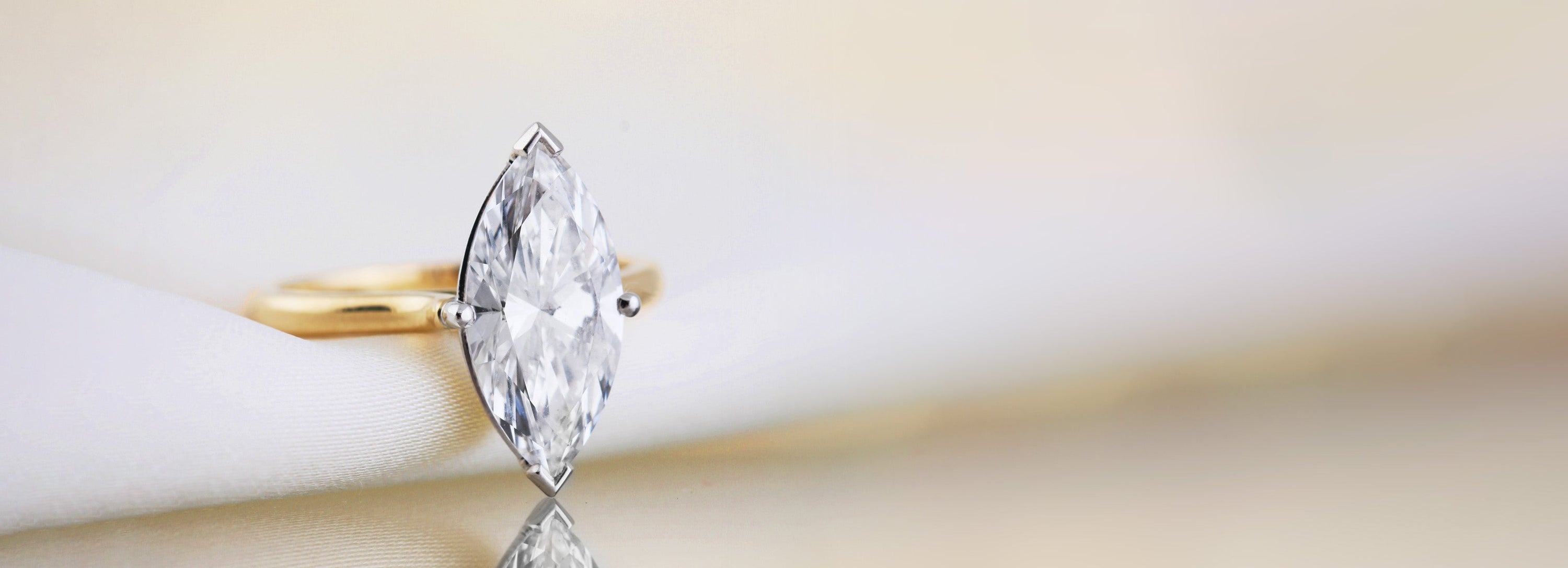
More buyers pick man made diamonds
These days, synthetic three stone lab grown diamond rings how people shop for engagement rings. Because shoppers care about cost, origin transparency, and custom styles. While natural diamonds remain popular in fine jewelry. Lab-grown versions match them exactly in look and makeup – just less expensive. It’s possible to choose a bigger stone, with fewer flaws and sharper cutting, while spending the same amount. Everyday wear changes what counts when picking a ring. Styles such as triple-stone lab diamonds show how choices are shifting. Meaning matters now more than before, along with harmony. The trio design stands for what was, what is, and what will be. Pairing synthetic gems with this layout frees attention – toward dimensions, clarity, workmanship – without draining funds on one big rock.
Man Made Diamonds Explained Simply
A lab diamond? That’s an actual diamond formed inside a facility. Not imitation at all. Never confused with cubic zirconia. Shares identical chemistry with earth-mined stones. Majority come from either of two processes.
- High Pressure High Temperature
- Chemical Vapor Deposition
One way or another, both processes create gems measured by identical quality rules as those dug from the earth. So the stone you have could always get checked based on:
- Cut
- Color
- Clarity
- Carat weight
Most folks would struggle to man made diamonds spot which is which when a mined stone sits next to one made in a lab. Only tools built for the task reveal what eyes miss easily.
Buyers Look at Price Before Anything Else
Most folks look at price right away. While a natural diamond runs high in cost, its lab-made twin typically doesn’t. Take a one-carat stone with sharp clarity and hue – swap in a man-made version, savings stack fast. Shoppers rethink choices when numbers shift like that. Most folks skip the big solo gem, picking sharper cuts or fancier metalwork instead. Three-stone rings made with lab diamonds? They’re pulling more eyes lately. Spreading sparkle across three rocks means heavier combined weight by default. Realistic budgets can handle it now – no need to sacrifice sharpness, color, or design flair.
Durability Over Trends
Worn daily, an engagement ring faces kitchen counters, airport scanners, long commutes. It needs strength, not just sparkle. Hardness? Lab diamonds score a solid ten – identical to earth-mined ones. Life happens fast; rings should keep up. Even though they get bumped around, these hold up fine. Because of that, people often pick them for:
- Engagement rings
- Wedding bands
- Everyday jewelry
- Custom heirloom pieces
Even if the gem looks perfect, weak construction might let stones slip free later. Quality of work holds more weight than price tags suggest. Look closely at how it’s built before making a choice – skill behind the metal counts just as much.
Assessing Diamond Quality
Finding every detail isn’t necessary – still, knowing what lies beneath the surface helps.
Cut Comes First
Light play matters far more than sheer size. Brightness comes alive when a diamond is shaped just right. Instead of chasing bigger stones, focus on how it’s cut first.
Clear Looks Feel Right
A lot of shoppers spend extra on clarity levels they’d never notice. Skip the perfect rating – find a stone that looks clean to your eyes.
Color Changes with Your Environment
Picking white gold or platinum often works best when the diamond has a higher color grade. On the flip side, yellow gold handles slight warmth without drawing attention. Sometimes it masks those hints quite well.
Certification Is Essential
Start with stones checked by well-known labs like these ones here. Pick gems rated by organizations people trust every time. Go for sparklers reviewed by groups that stay consistent always. Look at crystals examined by places experts count on regularly
- IGI
- GIA
Certification gives you a consistent standard for comparison.
The Appeal of Three Stone Settings
Balance comes through the trio of stones. Across the finger, they stretch sight wider than one alone could manage. Matching companions sit beside the middle rock sometimes, though tapering rectangles or teardrop shapes appear just as often. Lab diamonds fit neatly here since less goes into size, more flows into clean lines and structure. Custom touches find room easily within this setup. A twist on tradition might mean mixing shapes instead of sticking to one. Try pairing a central round stone with pears at the sides for an elegant stretch across the finger. Symbols take shape through birthstones placed near the main diamond, adding personal meaning without changing structure.
What People Get Wrong About Lab-Made Gemstones
Not every shopper realizes today’s lab-grown diamonds match natural ones in makeup and sparkle. Misunderstanding sticks around because early versions were easy to tell apart. These newer versions? Just as genuine, just as hard, reflect light the same way. Created underground they are not – yet everything else lines up perfectly. Here’s something people often think about: what happens when you try to sell it later. Pretty much every engagement ring drops in worth right after buying, doesn’t matter if it’s from the earth or made in a lab. Think of jewelry more like something chosen for yourself, not as a way to grow wealth. What really matters? If the piece looks good, feels meaningful, matches what you hoped to get for that amount.
Shop smarter online
Shopping for gems on the web opens up loads of options, yet demands sharper focus. Check every description closely before moving forward
- Review high-resolution images and videos
- Check certification details
- Read return policies carefully
- Verify warranty coverage
- Look for secure payment options
Watch how big it really is. Photos can trick your eye – lenses stretch size, edits shrink doubt. Millimeters tell more than carats ever could.
Shape That Fits Your Style
Most folks pick round because it sparkles the most. A twist happens when oval hits the light – makes fingers look stretched. Sharp edges define emerald; clarity matters way more here. Shape changes how eyes see size, even if carat stays put
- Round
- Oval
- Cushion
- Princess
- Emerald
- Radiant
Picture how you move through a day – your clothes, your pace – that shapes what fits best. A person always on the go might lean toward sleeker settings, simply because they catch less on sleeves or seatbelts.
Customization Simpler Now
These days, custom rings aren’t just for high-end shoppers anymore. More stores are stepping up with online tools that let you see your ring before it’s made – especially when choosing lab-grown stones. Tweaking details like shape, setting, or band style? That part’s easier than most expect
- Stone shape
- Band width
- Metal type
- Setting height
- Accent stones
Most people find these rings more meaningful than factory-made ones. When someone picks a three stone lab grown diamond ring, they might change how far apart the stones sit or tweak the look of the side gems – usually without spending much extra.
Care and Maintenance
A man made diamond needs the usual care for fine jewelry. Try washing your ring now and then with lukewarm water, gentle soap, because a soft toothbrush works well. Skip strong cleaners when wiping it down – better safe than sorry. Get the metal claws checked every so often, particularly if it stays on your finger all day long. Where you put it counts too. Store pieces with diamonds apart from those with delicate stones so nicks do not happen.
Buyers Common Questions
Are man made diamonds real diamonds?
Fine. Identical makeup, both chemically and physically, when compared to natural stones pulled from the earth.
Really, how long do lab-grown stones hold up compared to natural ones?
Fine scratches show up just as easily on both, yet daily bumps treat them alike. Toughness matches when living life normally.
Why are lab-created diamonds cheaper?
Fewer mines are needed because of simpler sourcing, so making them is cheaper.