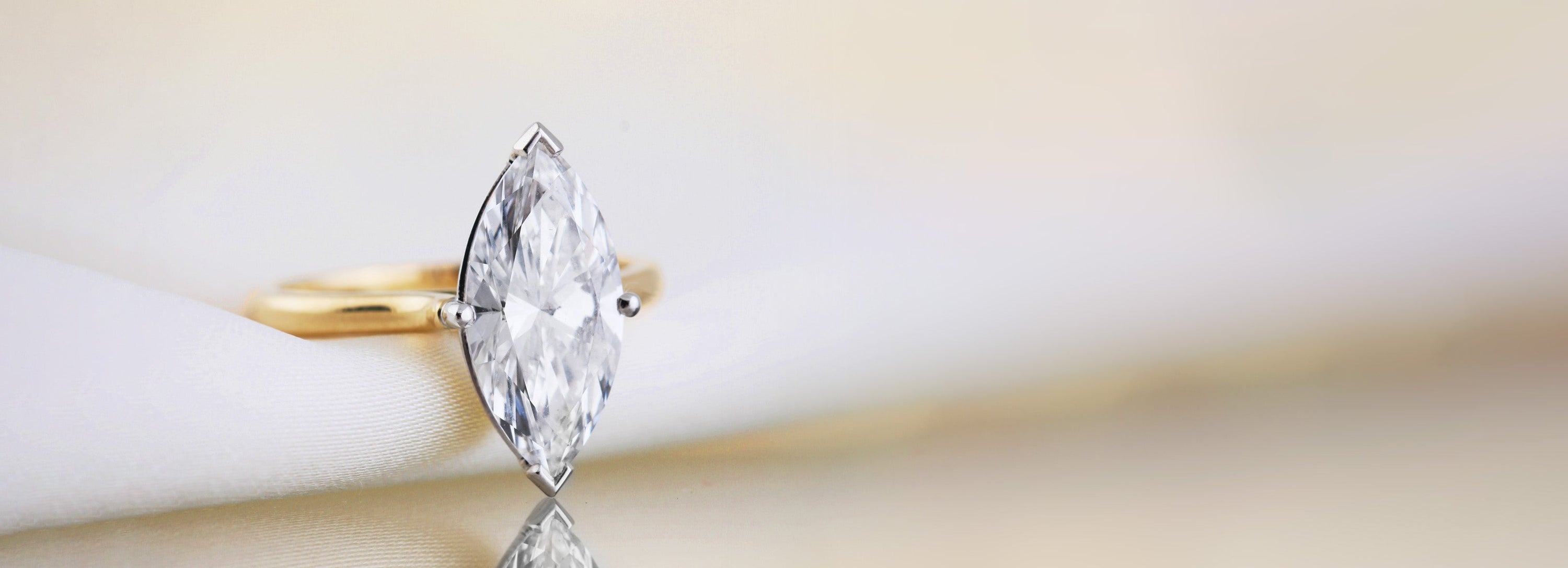
An engagement ring often feels most personal when its shape reflects both style and everyday needs. Oval engagement rings offer a distinctive mix of soft curves, bright sparkle, and an elongated appearance. Their balanced shape works with many settings, from clean solitaires to detailed vintage designs. For buyers who want something elegant without choosing a traditional round stone, the oval cut offers plenty of flexibility.
Why Oval Engagement Rings Have Lasting Appeal
An oval-cut diamond combines a rounded outline with a longer profile. This shape can make the center stone appear larger across the finger because more of its surface is visible from above. Its curved edges also create a softer look than square or rectangular cuts.
The shape works well with many personal styles. A simple setting can feel modern and understated, while a detailed band can give the same diamond a romantic character. That versatility makes oval stones suitable for both classic and contemporary ring designs.
Another advantage is the absence of sharp corners. Shapes with pointed edges may need extra protection from prongs or bezels. An oval has smooth edges, although a secure setting is still essential for daily wear.
Understanding the Oval Cut
Oval diamonds belong to the brilliant-cut family. Their facet arrangement is designed to reflect light and create noticeable sparkle. However, two oval stones with similar measurements can look quite different.
Length-to-Width Ratio
The length-to-width ratio describes how long or rounded an oval appears. A lower ratio produces a fuller silhouette, while a higher ratio creates a narrower, more elongated shape. There is no single ratio that suits everyone.
Personal preference should guide this choice. Someone who likes a soft, rounded appearance may prefer a wider oval. A buyer seeking a slender profile may be drawn to a longer stone. Viewing several shapes side by side makes these differences easier to notice.
The Bow-Tie Effect
Many elongated brilliant cuts show a darker area across the center known as the bow-tie effect. It happens because of the way light moves through the stone. The effect can range from barely noticeable to quite prominent.
A grading report does not fully communicate how visible a bow tie will be. Photos and videos can help, but seeing the stone under different lighting is even better. A balanced oval should look lively across most of its face rather than having a distracting dark center.
Evaluating Cut, Color, and Clarity
Unlike round brilliant diamonds, oval diamonds do not receive a standard overall cut grade from some major grading laboratories. Buyers should therefore consider several factors together. Symmetry, polish, proportions, and visual performance all matter.
Color can also appear differently depending on the stone’s size and setting. Some diamonds show more visible warmth near their tips. Metal color affects perception too. White metals can create a crisp contrast, while yellow or rose gold may complement warmer tones.
Clarity deserves a practical approach. A diamond does not need the highest clarity grade to look clean without magnification. The location, size, and visibility of inclusions matter more than a grade alone. Comparing actual images is useful before paying for a higher grade that may offer little visible difference.
Buyers considering man made diamonds can apply the same basic principles of cut, color, clarity, and carat weight. Reviewing an independent grading report can help confirm the characteristics of the specific stone being considered.
Settings That Complement Oval Engagement Rings
The setting affects both appearance and daily practicality. A solitaire places nearly all visual attention on the center stone. It can also highlight the oval’s outline without surrounding details competing for attention.
A halo places smaller stones around the center diamond. This creates more surface sparkle and changes the visual scale of the ring. Hidden halos offer a subtler alternative, adding detail below the center stone rather than around its outline.
Three-stone designs pair the oval center with two side stones. Tapered baguettes can create a structured look, while rounded side stones produce softer transitions. The proportions of the side stones should support the center rather than make the design feel crowded.
Pavé bands add small diamonds along the shank. They can increase sparkle while keeping the center oval visually dominant. Buyers who use their hands frequently may prefer a simpler band because intricate settings can require more careful maintenance.
Prongs, Bezels, and Stone Security
Most oval center stones are secured with four or six prongs. Four prongs expose more of the diamond’s outline, while six can provide additional contact points. The quality and placement of the prongs matter more than simply choosing a specific number.
A bezel setting surrounds the stone with a rim of metal. This creates a smooth profile and offers added edge protection. It can be especially appealing to someone who prefers modern jewelry or wants fewer raised components that may catch on clothing.
Setting height is another practical consideration. High settings can make a center stone more prominent and may allow a wedding band to sit closer beneath it. Lower settings often feel more protected but may leave a gap between the engagement ring and wedding band.
Matching the Ring to the Wearer’s Lifestyle
A ring should be comfortable enough for regular use. Someone with an active routine may value a lower setting, sturdy prongs, and a band with fewer delicate details. A person who removes jewelry during physical activities may have more freedom to choose an intricate design.
Band width also changes the ring’s appearance. A thin band can emphasize the size of the center stone, while a wider band creates more visual balance and metal presence. Very delicate bands may need extra care over years of wear.
Comfort matters as much as appearance. Try different band widths and setting heights whenever possible. Small design differences can become noticeable after wearing a ring for several hours.
Certification and Buying Details
A grading report provides an independent description of a diamond’s characteristics. Buyers should check that the report number matches the stone and review its measurements, color, clarity, polish, and symmetry information.
Return, resizing, and warranty policies also deserve attention before purchase. Ring sizes can change, and certain designs are more difficult to resize than others. Eternity-style bands, for example, may offer less flexibility because stones extend around much of the ring.
Ask how future maintenance is handled as well. Prongs can loosen with wear, and small accent stones may require attention over time. Periodic professional inspections can identify setting problems before a stone is lost.
Creating a Ring That Feels Personal
The strongest design is not necessarily the one with the largest center stone or the most decoration. Proportion, comfort, light performance, and personal taste have a greater effect on how satisfying a ring feels over time.
Compare several oval engagement rings in different settings before deciding. Pay attention to the oval’s outline, bow tie, setting height, band width, and how the ring looks from multiple angles. Those details often reveal more than specifications alone.
The same careful comparison applies to natural diamonds and man made diamonds. Focus on the qualities that are visible and meaningful to the wearer, while confirming grading and purchase policies. A thoughtfully selected oval ring can balance graceful design with the practical features needed for years of regular wear.